The third trimester of pregnancy is the final stage before the birth of the baby, spanning from week 28 until delivery. During this period, many physical, emotional, and social changes occur as the mother prepares to welcome her new baby. This article will discuss how to navigate this phase to ensure the health of both mother and baby. We will cover key changes during the third trimester, including essential health, emotional, and social preparations for a safe delivery and new life.
Physical Changes in the Third Trimester
The baby continues to grow rapidly, causing noticeable weight gain for the mother, typically around 0.5 kg per week. The mother's abdomen also enlarges significantly, leading to discomfort and back or leg pain.
Sleeping problems are common due to the increased belly size and difficulty finding a comfortable sleeping position. Using pillows to support the body can help improve sleep quality.
Medical visits should be more frequent during this trimester to monitor the health of both mother and baby. These visits include regular blood pressure checks, urine tests to detect signs of preeclampsia(a pregnancy-related condition characterized by high blood pressure and signs of damage to organs such as the liver or kidneys), and monitoring the baby's growth and movements.
Additional health challenges may arise, such as shortness of breath and heartburn due to the growing uterus pressing on internal organs. Light exercises like walking and breathing exercises can help alleviate these symptoms.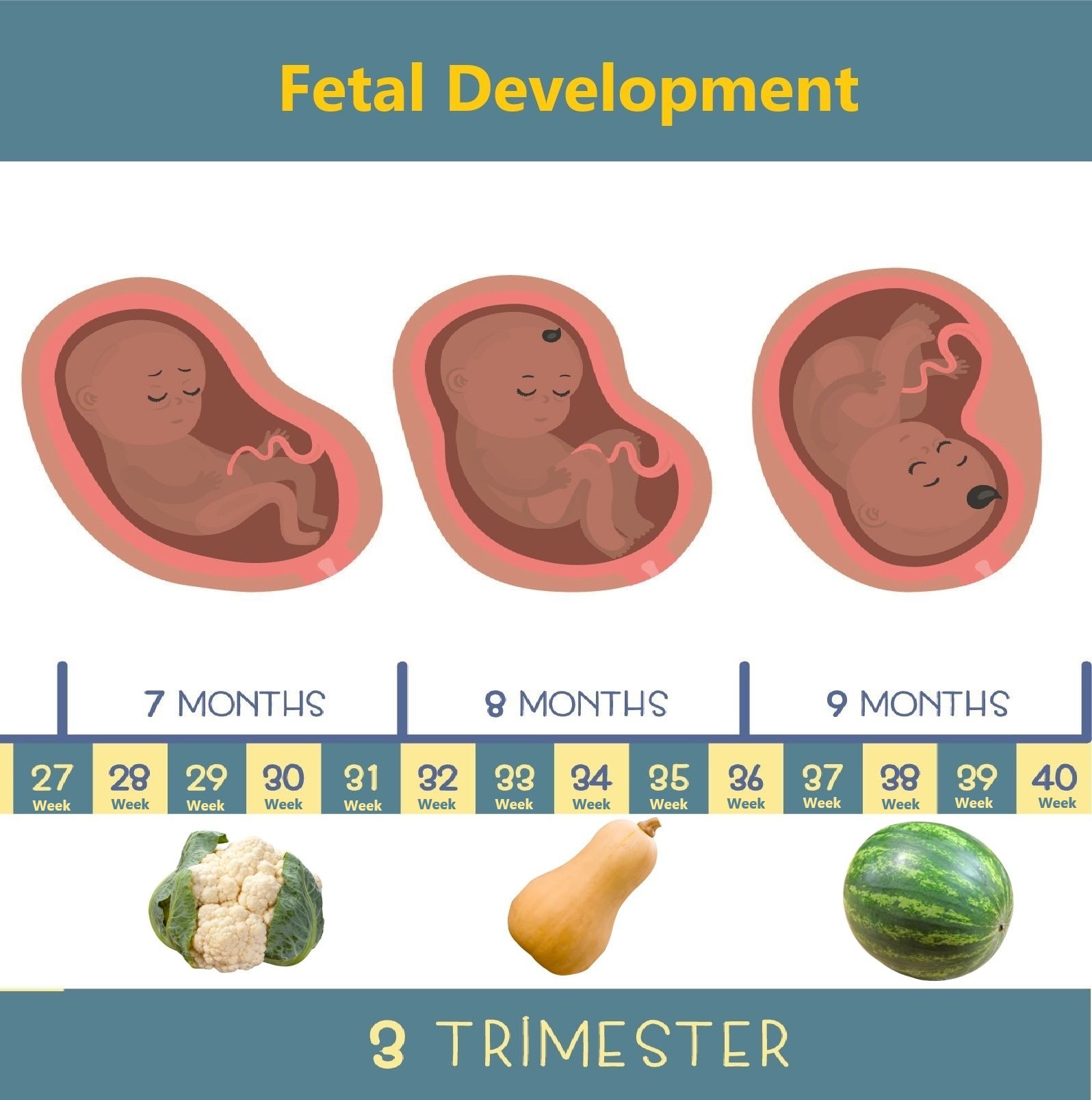
Emotional Changes in the Third Trimester
This period can be filled with stress and anxiety about childbirth and caring for the new baby. Mothers may worry about their ability to handle the pain and challenges of childbirth. It's crucial to receive emotional support from a partner, family, and friends, and seek counseling if needed.
Psychological preparation for childbirth is vital for adjusting to this phase. Educational courses on childbirth, breathing, and relaxation techniques, and preparing for different birth scenarios can be beneficial.
Some women might experience mixed emotions, feeling joy about the new arrival and fear of major life changes. It's important to express these feelings and seek appropriate support.
Social Changes in the Third Trimester
This is the time for practical preparations for the new baby, such as setting up the nursery and buying essentials like clothes, diapers, and furniture.
This period offers an opportunity to strengthen bonds with a partner, friends, and family by involving them in birth preparations. Open communication and mutual support between partners are essential for facing upcoming challenges.
Pregnant women may face work-related challenges, especially if working full-time. It's important to discuss maternity leave arrangements with employers and ensure a supportive work environment during the final weeks of pregnancy.
Tips for the Third Trimester of Pregnancy
-
Eat balanced meals rich in essential vitamins and minerals like iron and calcium to support your health and the baby's.
-
Ensure adequate sleep and rest to manage fatigue.
-
Stay hydrated by drinking plenty of water.
-
Engage in light exercises approved by your doctor, such as breathing and relaxation exercises, which can ease natural childbirth.
-
Keep up with medical appointments and follow your doctor's advice.
-
Maintain open communication with your partner and family for emotional and social support.
-
Recognize signs of labor, such as increased uterine contractions, water breaking, and pressure in the pelvic area.
-
Prepare your hospital bag in advance, including essentials for you and the baby, like clothes, diapers, and personal items.
Nifas Advice
Dear mother, the third trimester is your final journey before meeting your eagerly awaited little one. We understand it is filled with challenges, but it also holds unforgettable moments. Listen to your body, take care of yourself, and don't hesitate to seek support from loved ones. With good care and a bit of patience, you'll soon hold your baby in your arms with a smile and tears of joy. We at Nifas App are here to be part of your journey, step by step.
Frequently Asked Questions
What are the symptoms in the ninth month of pregnancy?
In the ninth month, symptoms may include back pain, swollen feet, heartburn, and shortness of breath, along with increased uterine contractions.
What are the tips for pregnant women in the ninth month?
Ensure a balanced diet, drink plenty of water, prepare your hospital bag, and engage in light exercises like walking to ease symptoms and prepare the body for childbirth.
How do I know I'm about to give birth?
Signs of labor include increased uterine contractions, water breaking, and pressure in the pelvis. Contact your doctor immediately if you experience these signs.
How do I deal with heartburn in the third trimester?
Eat small, frequent meals, avoid spicy and fatty foods, and drink moderate amounts of water.
Can I exercise in the ninth month?
Yes, light exercises like walking or breathing and relaxation exercises are recommended after consulting your doctor.
What is the best sleeping position for pregnant women in the ninth month?
Sleeping on the left side with pillows for support helps improve blood flow and reduce pressure on organs.
When should I visit the doctor in the ninth month?
Medical visits should be more frequent in the ninth month to monitor blood pressure, baby’s weight, movements, and ensure the health of mother and baby.
What should I pack in my hospital bag for delivery?
Ensure your bag includes comfortable clothes, personal hygiene items, diapers and clothes for the baby, and any required medical documents.