Genetic Tests for Mother and Child
Genetic testing is an important tool that helps detect factors that may affect your health or your future children's health. Through this testing, genetic changes that could lead to health problems can be identified. It helps doctors with early diagnosis, allowing for faster treatment initiation and consequently better health for you and your family. This article will cover the importance of genetic testing for mothers and newborns, the benefits it provides, the types of tests performed, and the key conditions that can be detected through these tests.
What Are Genes?
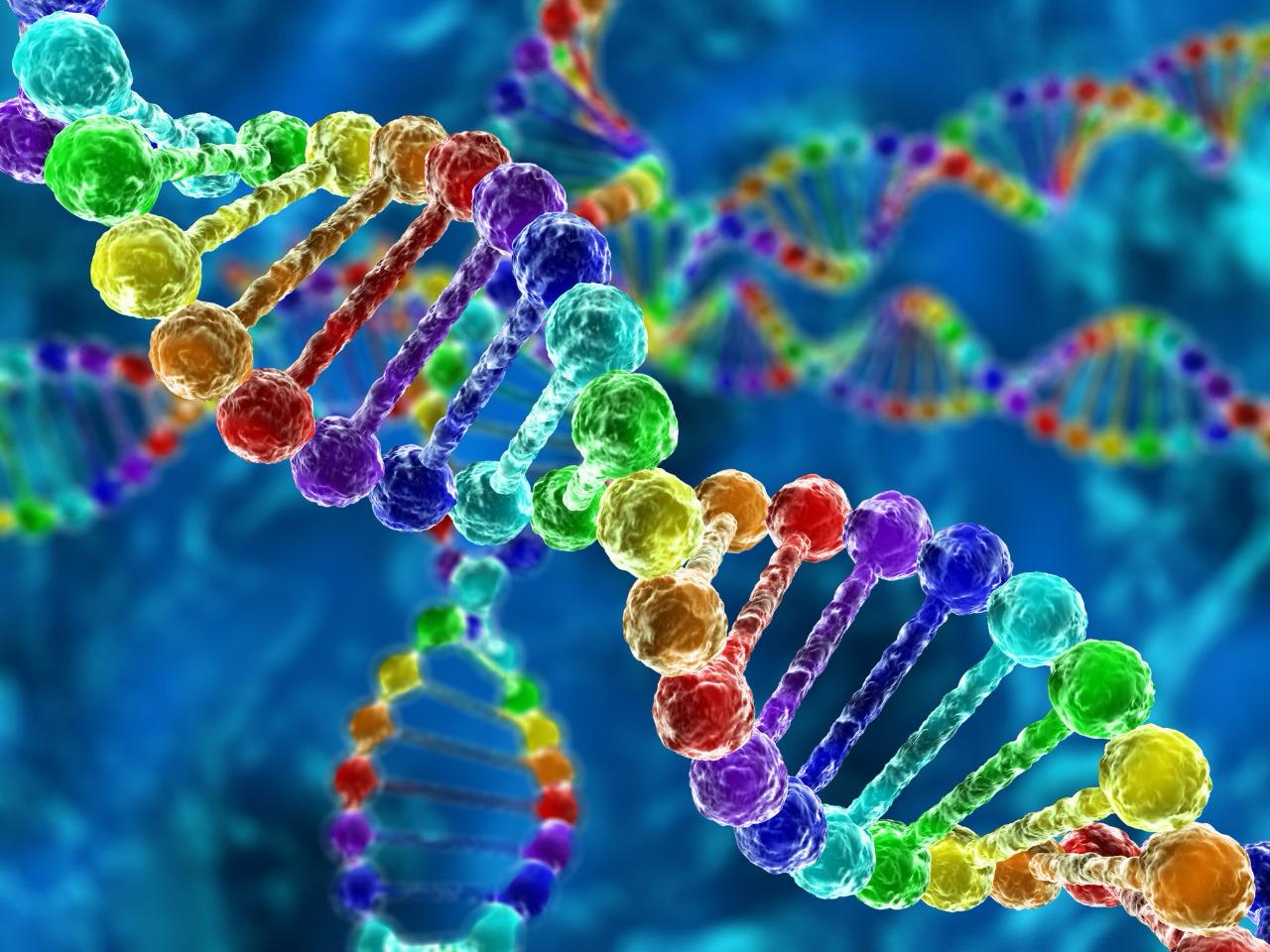
Genes are small segments of DNA found inside every cell in the human body, acting as a set of instructions that determine our various traits. They control details like eye color, facial features, and even some health characteristics. For example, if a mother has green eyes and the father has brown eyes, the child may inherit one of these traits based on the genes received from their parents. Genes also play a role in the transmission of certain diseases within families, as children can inherit genes that make them more susceptible to specific health conditions if present in the family.
What Are Genetic Mutations?
A genetic mutation is a change in the sequence of DNA in the body. DNA contains the information that helps the body's cells function properly. If part of this sequence is misplaced, missing, or damaged, it can lead to health problems or disease symptoms.
What Is Genetic Testing?
Genetic testing is a method to detect changes in genes that may be linked to hereditary diseases or increase the likelihood of developing certain health problems, such as some types of cancer or metabolic disorders. These disorders occur when the body cannot process certain substances like proteins or sugars normally due to a genetic defect. This defect can cause substances to accumulate in the body, leading to health issues. Some of these conditions can be passed down through generations within a family. This testing aims to determine whether a person carries genetic mutations that may affect their health or their future children's health. Genetic counselors help in selecting appropriate tests, explaining results, and clarifying their impact on health decisions and family planning.
Benefits of Genetic Testing:
- Determine if you have a hereditary disease in the family: If there's a family history of a specific disease, genetic testing can reveal whether you carry this disease before any symptoms appear, helping with prevention or preparation. Examples of hereditary diseases include:
- Cystic Fibrosis: A common hereditary disease caused by a mutation in a gene responsible for regulating salt movement in and out of cells, leading to thick mucus buildup in the digestive and respiratory systems, making it difficult for the body to function normally.
- G6PD Deficiency: A hereditary disease that occurs when a person inherits a gene on the X chromosome from one or both parents, causing a defect in an enzyme essential for red blood cell function, leading to faster-than-normal red blood cell destruction and health problems like anemia.
- Thalassemia: A hereditary disease that affects the body's ability to produce hemoglobin normally, leading to severe anemia.
- Sickle Cell Anemia: A hereditary disease where red blood cells take on an abnormal sickle shape, obstructing blood flow and causing oxygen deficiency.
- Determine the likelihood of having a child with a hereditary disease: If you're planning pregnancy, testing can help assess the risk of passing a hereditary disease to your child, aiding in making informed decisions.
- Develop a prevention or cancer treatment plan: Some tests reveal genes that may increase cancer risk, helping in taking preventive measures or choosing the most suitable treatment.
How Is Genetic Testing Performed?
Genetic testing is done by taking a small blood or saliva sample. For pregnant women, it can be performed using amniotic fluid or placental samples through specialized medical procedures. In IVF cases, embryos are tested before implantation to ensure no genetic issues. Results typically take a few weeks to be ready.
Genetic Testing for Mothers:
In some cases, families prefer genetic testing to ensure their health or their children's health, especially if factors increase the likelihood of hereditary problems. These cases include:
- Family or personal history of hereditary diseases: When hereditary conditions exist in the family, testing can determine the likelihood of passing them to the fetus.
- Pregnancy after age 35: As maternal age increases, so does the risk of genetic disorders like Down syndrome, making genetic testing more important.
- History of miscarriage or fetal death: In cases of chromosomal abnormalities like Down syndrome, Edwards syndrome, and Patau syndrome, which can lead to pregnancy loss or fetal death. Genetic testing can detect these abnormalities in the fetus, helping identify causes of previous pregnancy loss and assess future risks.
Pre-Pregnancy Tests:
- Sickle Cell Anemia Test: A hereditary disease affecting red blood cells, changing their shape from round to crescent. This change affects oxygen transport and may cause blood vessel blockages and other health issues. To determine if you have or carry the sickle cell gene, a simple blood test can be done. This test detects whether your body contains hemoglobin S (which causes the disease) and its quantity in the blood. Additionally, genetic testing can determine if you carry one or two copies of the gene responsible for sickle cell anemia. This test is also part of premarital screening programs to check for any likelihood of passing the disease to future generations.
- Thalassemia Test: Also known as Mediterranean anemia, it's a hereditary disease affecting the body's ability to produce hemoglobin normally. Hemoglobin is the protein that helps red blood cells transport oxygen to body parts and remove waste and carbon dioxide. In thalassemia, the body doesn't produce enough hemoglobin, leading to anemia and affecting other organ functions. Diagnosis is through a blood test to check hemoglobin levels and red blood cell count. Low levels may indicate thalassemia. This test is also part of premarital screening programs to check for any likelihood of passing the disease to future generations.
Pregnancy Tests:
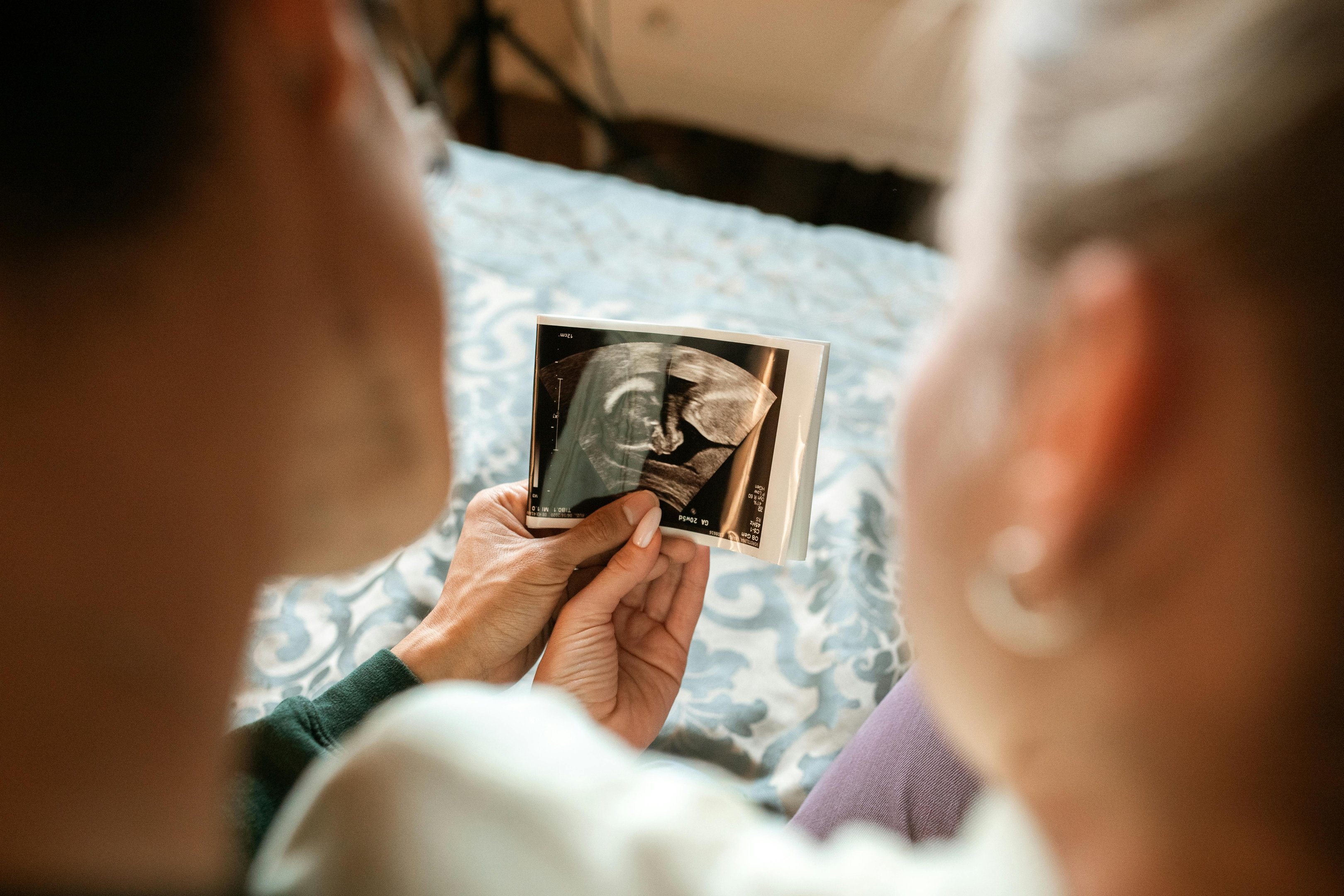
- Amniocentesis: In amniocentesis, a thin needle is inserted through the skin into the uterus under ultrasound guidance to collect amniotic fluid surrounding the fetus. This test is usually performed between weeks 16 and 20 of pregnancy. It's used to detect genetic and chromosomal conditions that may affect fetal health, including:
- Edwards' syndrome: A rare and serious condition occurring when a child has 3 copies of chromosome 18 instead of 2.
- Down's syndrome: A condition occurring when a child has an extra chromosome, meaning the child has 3 copies of chromosome 21 instead of 2.
- Patau's syndrome: A rare genetic disorder occurring when a child has 3 copies of chromosome 13 instead of 2.
Important note: Amniocentesis isn't routine. A genetic counselor specializing in pregnancy and hereditary conditions will determine if this test is necessary based on your health, family history, and potential risks.
- Chorionic Villus Sampling (CVS): In CVS, a doctor inserts a needle into the uterus to collect a small sample of placental cells. The doctor may decide whether to insert the needle through the abdomen or vagina based on the patient's condition. This test is usually performed between weeks 11 and 13 of pregnancy. CVS is performed earlier than other tests like amniocentesis, allowing for faster results in detecting genetic and chromosomal conditions. Conditions detected include:
- Edwards' syndrome (Trisomy 18)
- Patau's syndrome (Trisomy 13)
- Sickle cell anemia
- Down syndrome
Important note: CVS isn't routine. A genetic counselor specializing in pregnancy and hereditary conditions will determine if this test is necessary based on your health, family history, and potential risks.
- Non-Invasive Prenatal Testing (NIPT): This test uses the mother's blood to detect the likelihood of genetic problems in the fetal DNA. It provides probabilities for specific conditions but doesn't offer a definitive diagnosis. This test is typically performed starting at week 10 of pregnancy. The results indicate the probability of the fetus having a specific condition, such as Down syndrome, Trisomy 18 (Edwards' syndrome), Trisomy 13 (Patau's syndrome), or sex chromosome abnormalities (X and Y). For example, a positive result means a higher likelihood of the fetus having a specific condition, while a negative result suggests a low probability. However, a positive result doesn't necessarily mean the fetus is affected—it only indicates a higher probability, and additional tests may be needed for confirmation.
Newborn Genetic Screening
The test is performed by taking a small blood sample through a heel prick. Through this simple test, doctors can detect rare hereditary conditions and hormone-related problems that may affect the baby's health. Newborn screening helps doctors quickly diagnose conditions and initiate treatment as soon as possible to ensure the baby's health.
The Saudi Newborn Screening Program is an important part of healthcare, covering screening for 21 hereditary diseases, including metabolic disorders that affect the body's ability to process food and convert it into energy or essential growth materials. The program also includes endocrine-related diseases and some blood disorders. Through this screening, these conditions can be detected early, allowing for rapid therapeutic intervention and reducing potential health complications. These diseases include:
- Phenylketonuria (PKU): A hereditary disorder caused by a defect in the gene responsible for producing the enzyme that breaks down phenylalanine (PAH), an amino acid found in many foods like meat and cheese. Without this enzyme or if it's inefficient, the body can't process the acid normally, leading to its accumulation in the body, which may affect the brain. If untreated, it can cause developmental delays and permanent intellectual disability. Initially, children with PKU show no symptoms. But without treatment, symptoms usually appear after a few months, including:
- Foul-smelling breath, skin, or urine due to phenylalanine buildup.
- Nervous system problems like seizures.
- Skin rashes like eczema.
- Lighter skin, hair, and eyes than family members because the body can't convert phenylalanine to melanin, the pigment responsible for skin and hair color.
- Smaller-than-normal head size.
- Congenital Hypothyroidism: A condition where the thyroid gland doesn't function properly in a baby from birth. In most cases, this occurs because the thyroid gland didn't develop properly during pregnancy. At birth, the baby may have no thyroid gland at all, or it may be small or underdeveloped. In many cases, the exact cause isn't known, but sometimes it may be genetic. Early signs and symptoms in babies include:
- Jaundice (yellowing of skin or eyes).
- Sleeping longer or more than usual.
- Constipation.
- Congenital Adrenal Hyperplasia (CAH): A group of hereditary disorders affecting the adrenal gland, a small yellow organ located above the kidney that produces essential hormones like cortisol. Cortisol is an important hormone that helps regulate blood pressure and blood sugar levels. When the adrenal gland malfunctions due to this disorder, cortisol and other hormone production is affected, significantly impacting the affected child's growth. Newborns with severe untreated CAH often show symptoms in the first weeks of life, such as:
- Vomiting.
- Dehydration.
- Failure to gain weight.
In conclusion, genetic testing is a vital tool for improving healthcare and planning for a healthy future. Through early detection of genetic changes, more accurate decisions about treatment and care can be made. Genetic testing for mothers and newborns helps ensure better health for future generations, providing greater opportunities to address health challenges early. It's important to have adequate knowledge about these tests and consult doctors to determine what's best for your health and your children's health.
Nifas Advice
Make sure to have genetic tests done for your newborn in the first few days after birth. These tests can detect hereditary diseases such as Phenylketonuria (PKU) and Congenital Hypothyroidism. Early detection of these conditions ensures immediate treatment, preventing complications and safeguarding your baby's health. Remember that some of these tests are offered for free as part of the National Newborn Screening Program.
Frequently Asked Questions
What are the essential genetic tests mothers should do before pregnancy?
Basic pre-pregnancy tests include screening for thalassemia, sickle cell anemia, and carrier genes for hereditary diseases common in the family. Chromosome testing is also recommended if there's a family history of recurrent miscarriages or genetic disorders.
When should genetic tests be performed during pregnancy?
Tests vary by type: Chorionic villus sampling (CVS) between weeks 11-13, non-invasive prenatal testing (NIPT) from week 10, and amniocentesis between weeks 16-20. Your doctor will determine the most appropriate based on your situation.
Do genetic tests during pregnancy pose risks to the fetus?
Non-invasive tests like NIPT are completely safe. Invasive tests like amniocentesis and CVS carry a slight risk of miscarriage (less than 1%) and are only performed when necessary under strict medical supervision.
What diseases can newborn screening detect?
Newborn screening in Saudi Arabia detects 21 genetic diseases, including: Phenylketonuria (PKU), congenital hypothyroidism, congenital adrenal hyperplasia, and other metabolic disorders that may cause mental or physical disabilities if not treated early.
Can genetic testing predict all hereditary diseases?
No, current tests only detect known, predefined diseases. There are thousands of undiscovered genetic mutations, and some diseases result from complex interactions between multiple genes and environmental factors.
How long do genetic test results take?
Duration varies by test type: newborn screening (2-3 days), non-invasive testing (7-10 days), while comprehensive genetic tests may take 3-6 weeks. Emergency results are available within days.
What is the cost of genetic testing? Is it covered by insurance?
Costs range from 500 SAR for basic tests to 5000 SAR for comprehensive tests. Some insurance plans cover tests with medical indications, while newborn screening is free in Saudi government hospitals.
What should I do if the test shows I'm a carrier of a genetic disease?
Don't panic - being a carrier doesn't necessarily mean you or your child will be affected. Consult a genetics specialist to assess risks and discuss options like prenatal testing, preimplantation genetic diagnosis (PGD), or IVF with embryo screening.