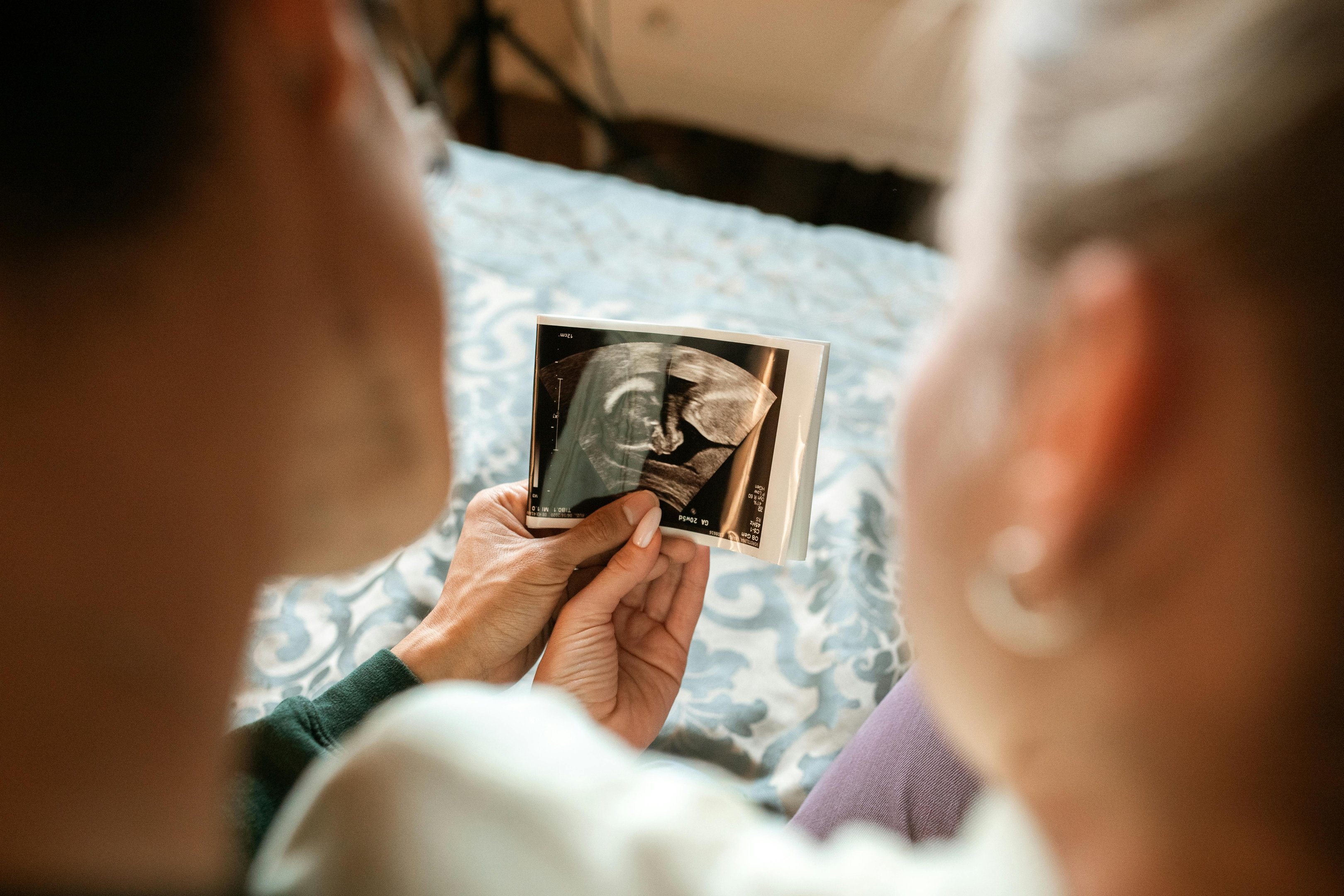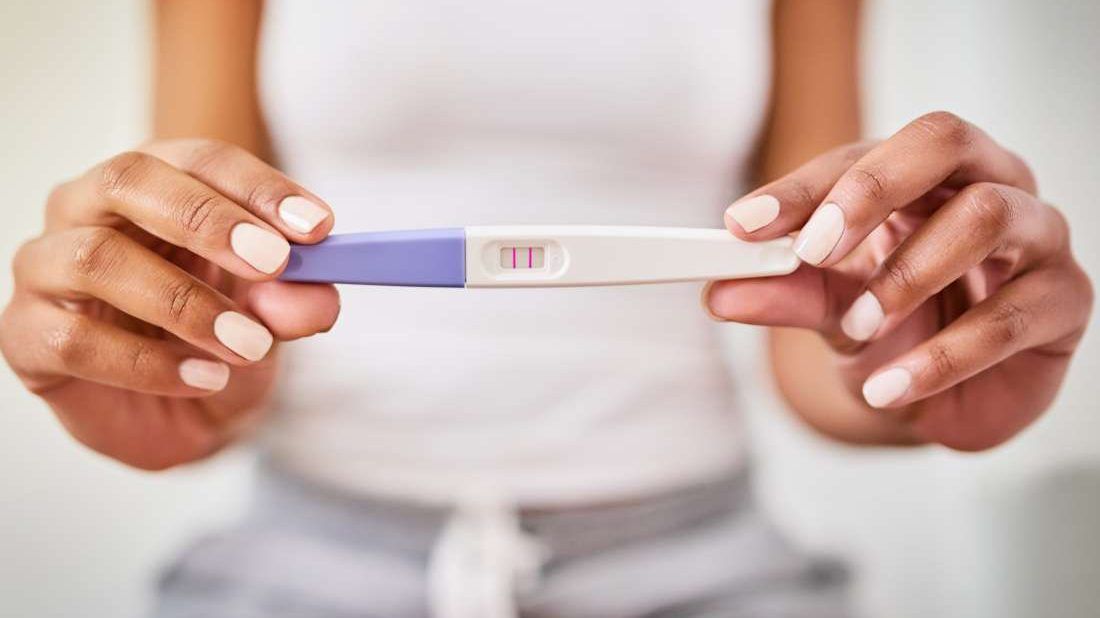
Initial Steps After Pregnancy Detection and Important Medical Advice
Pregnant women often wonder about the first steps and essential advice at the beginning of pregnancy. Discovering pregnancy can be a moment filled with joy, but many women worry about what should be done to ensure a healthy and safe pregnancy. In this article, we will discuss the most important steps and guidelines to follow upon pregnancy detection to maintain a healthy pregnancy.
Steps to Ensure a Healthy Pregnancy
You should schedule an appointment with your doctor as soon as possible to begin antenatal check-ups. The following will be addressed during your first prenatal visit:
- Performing appropriate antenatal screening tests
- Preparing for a healthy pregnancy through a proper lifestyle and nutrition
- Disclosing any medications you are currently taking
- Disclosing any medical conditions or illnesses you have
- Receiving appropriate vaccinations according to pregnancy stage
- Learning about high-risk pregnancy symptoms
Antenatal Screening
First Visit (Usually Before 10 Weeks):
- B-HCG hormone test (pregnancy hormone): Used early in pregnancy to detect or confirm pregnancy. It can be done via urine or blood test.
- Antibody tests against certain viral infections:
- Rubella Immunity (Rubella IgG): If the woman is not immune, she should avoid contact with infected children. The doctor will recommend vaccination after pregnancy to avoid risk to the fetus.
- Hepatitis B virus and HIV: These tests aim to detect infection early to prevent transmission to the baby, allowing timely intervention and treatment to protect mother and child.
- Blood group tests (ABO and Rh factor): To identify potential incompatibility between mother and baby. If needed, preventive medication is given to avoid immune complications.
- Thyroid function test (TSH): To check for thyroid dysfunction
- Urinalysis to detect and treat bacterial infections to prevent complications
- Urine test for proteins (albumin) and glucose
From 11 to 13 Weeks:
First-Trimester Screening: Blood tests and ultrasound to assess the risk of Down syndrome and other chromosomal abnormalities. Recommended for high-risk pregnancies based on doctor’s evaluation.
From 15 to 18 Weeks:
Quadruple Screening: Blood test to detect Down syndrome, Trisomy 18, and neural tube defects. Conducted based on medical advice in high-risk pregnancies.
From 18 to 22 Weeks:
Anatomical Ultrasound Scan: Detailed scan of the fetal structure to detect any anomalies.
From 24 to 28 Weeks:
Glucose challenge test: To screen for gestational diabetes.
Repeat Rh factor screening if the mother is Rh-negative and check for Rh antibodies.
At 28 Weeks:
Repeat complete blood count (CBC) to check for anemia.
Administer Rh immunoglobulin if the mother is Rh-negative.
From 35 to 37 Weeks:
Group B Streptococcus (GBS) Test: Vaginal and rectal swabs to detect bacterial presence and treat before delivery.
Throughout Pregnancy:
Routine monitoring of blood pressure and urine protein and glucose levels to screen for preeclampsia.
Fetal growth and Doppler studies based on medical and obstetric history.
Healthy Lifestyle and Nutrition During Pregnancy
Healthy Nutrition for Pregnant Women
Nutrition is essential for fetal development, especially in the first months of pregnancy. Nutrition tips include:
- Eat plenty of vegetables and some fruits
- Avoid sugary and caffeinated drinks, and harmful additives like food dyes
- Eat well-cooked fish, no more than two servings per week
- Avoid raw foods to prevent food poisoning
- Replace soft drinks with water, milk, or yogurt
- Avoid alcohol and smoking
- Ensure diverse food intake to provide sufficient energy and nutrients
A common myth is that pregnant women should eat for two. However, only a 300-calorie increase is necessary. For example, half a sandwich and a glass of skim milk can be sufficient.
Take essential vitamins such as folic acid in early months to prevent neural tube defects.
Exercise is important during pregnancy. Opt for simple activities such as walking, swimming, or yoga for 30 minutes daily.
Medications During Pregnancy
Do not use any medications without consulting your doctor to ensure fetal safety. Some safe anti-nausea medications may be prescribed. However, some medications are harmful due to placental transfer.
Disclosure of Medical Conditions
It is crucial to inform your doctor of any pre-existing medical conditions such as diabetes, hypertension, thyroid disorders, or others. This helps personalize care and ensure safety for both mother and baby.
Vaccinations During Pregnancy
Vaccinations are recommended to protect both mother and baby from serious illnesses. Here are key vaccines before and during pregnancy:
Recommended vaccines and timing:
Influenza Vaccine:
When: Anytime during pregnancy
Why: Protects against flu complications which are more severe during pregnancy
Tetanus, Diphtheria, and Pertussis (Tdap):
When: Best between 27–36 weeks, but can be given earlier if not previously vaccinated
Why: Protects against whooping cough; maternal antibodies provide infant protection after birth
Other vaccines may be recommended based on individual risk, travel, or medical conditions:
Hepatitis B vaccine: If at risk or not previously immunized
Hepatitis A vaccine: Based on specific risk factors or travel plans
Measles, Mumps, and Rubella (MMR) Vaccine:
Not recommended during pregnancy due to live viruses. Women should get vaccinated before pregnancy and wait at least 4 weeks before conceiving. If not immunized before pregnancy, doctors will recommend the vaccine postpartum.
High-Risk Pregnancy Symptoms
It is important to recognize high-risk pregnancy symptoms and consult a doctor immediately if any of the following occur:
- Vaginal bleeding
- Severe pain not due to usual pregnancy discomfort
- Severe headache
- Intense lower abdominal pain
- Severe nausea or vomiting, especially beyond morning sickness
- Fever, dizziness, or chills
- Vision problems
- Chest pain or shortness of breath
- Swelling in one lower limb
- Negative thoughts or severe emotional stress
- Noticeable decrease in fetal movement after the fifth month
In conclusion, once pregnancy is detected, it is essential to begin these first steps, follow medical advice, consult your doctor, and maintain a healthy lifestyle for your and your baby’s well-being.
Nifas Advice
Upon discovering your pregnancy, do not hesitate to begin early medical follow-up with a specialized doctor. Early diagnosis and regular monitoring significantly contribute to ensuring a safe and healthy pregnancy. Pay attention to your nutrition, take folic acid regularly, and avoid stress—caring for yourself is the first step in caring for your baby.
Frequently Asked Questions
What is the first step to take after discovering pregnancy?
You should schedule an appointment with your doctor as soon as possible to begin pregnancy follow-up, ensure the safety of both mother and baby, and conduct initial tests.
What are the essential vitamins at the beginning of pregnancy?
Folic acid is most important during the first trimester as it helps prevent neural tube defects in the baby, along with iron, calcium, and vitamin D
Is it normal to feel nauseous and tired during early pregnancy?
Yes, nausea and fatigue are common symptoms during the first trimester due to hormonal changes and usually decrease as pregnancy progresses.
What tests should be done during the first prenatal visit?
Initial tests include blood tests, urine analysis, blood type and Rh factor, and screening for rubella immunity and viruses such as HIV and hepatitis.
Can I continue exercising during pregnancy?
Yes, light exercises such as walking or swimming are recommended if your health condition allows it. It is best to consult your doctor first.
Are all medications safe during pregnancy?
No, you should consult your doctor before taking any medication during pregnancy, even over-the-counter ones, to avoid any harmful effects on the baby.
Can a high-risk pregnancy occur? How can I recognize it?
Yes, some cases require close monitoring, such as pregnancies with chronic conditions or severe symptoms. Warning signs include bleeding, severe pain, dizziness, or reduced fetal movement after the fifth month.
When should certain vaccines be taken during pregnancy?
The flu vaccine is recommended at any time during pregnancy, and the Tdap vaccine between weeks 27–36. Some vaccines, such as MMR, should be delayed until after delivery.