Food Cravings During Pregnancy: Myths and Facts
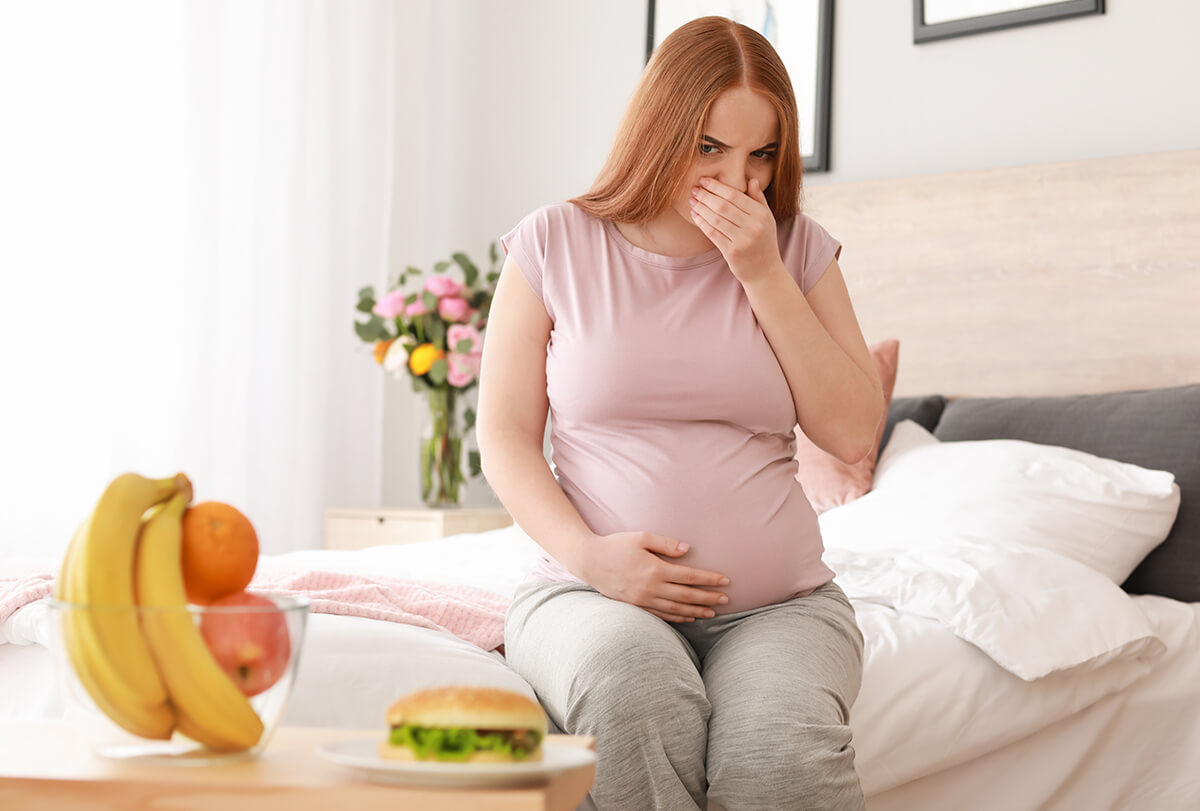
During pregnancy, women undergo physical and hormonal changes that affect their senses, making certain foods more appealing while others become completely unappealing. Some women crave common foods like fruits or salty snacks, while others may find themselves experimenting with unexpected flavor combinations. Although food cravings are normal, they may raise questions about their causes and their connection to the baby's sex. In this article, we will discuss key information about pregnancy cravings, common myths, and the strangest foods women have craved during pregnancy.
What Are Food Cravings?
Food cravings, also known as "pica" in some cases, are intense desires to consume specific foods. These cravings are not necessarily related to hunger and can be very difficult to resist. Commonly craved foods during pregnancy are often rich in carbohydrates and proteins, such as:
- Biscuits.
- Bananas.
- Nuts.
- Pickles.
- Ice cream.
- Potatoes.
Food cravings may sometimes include unusual combinations or even foods the pregnant woman did not like before pregnancy.
Why Do Food Cravings Occur During Pregnancy?
The exact cause of food cravings during pregnancy is unknown, but some studies suggest that cravings may be linked to nutritional deficiencies. For example, a craving for oranges may indicate a need for more vitamin C, while a craving for milk may indicate a need for more calcium. However, this link is not consistent across all studies. Cravings for specific foods may also be related to the effects of pregnancy hormones, which can alter the taste and smell of certain foods.
Are Food Cravings Harmful to the Mother or Baby?
Pregnant women who experience food cravings tend to have slightly higher energy levels compared to those who do not. However, craving specific foods does not necessarily affect:
- Diet quality, unless the cravings are consistently for unhealthy foods high in sugar or fat, which may lead to deficiencies in essential nutrients.
- Body shape changes.
- Body weight changes.
- Development of pregnancy complications, such as gestational diabetes.
Cravings also do not appear to be linked to:
- Baby's birth weight.
- Baby's behavior.
- Baby's food preferences.
Thus, it can be said that food cravings during pregnancy have little to no significant impact on the health of the mother or baby. However, it is important to maintain a varied and healthy diet during pregnancy.
Do Food Cravings Predict the Baby's Sex?
Many beliefs suggest a connection between food cravings and the baby's sex, but there is no scientific evidence to support these claims. In reality, the baby's sex is determined by genetic chromosomes at the moment of conception, with a 50% chance of having a boy or a girl.
Common Myths About Food Cravings and Baby's Sex
Cravings Associated with Carrying a Boy – Common Beliefs Without Scientific Evidence
Some believe that women carrying a boy may crave certain foods or notice specific physical changes, such as:
- Cravings for salty foods like pickles and chips.
- Brighter and more radiant skin during pregnancy.
- Noticeable increase in hair thickness and length compared to pre-pregnancy.
Cravings Associated with Carrying a Girl – Misconceptions Without Scientific Evidence
According to some old traditions, women carrying a girl may crave certain foods or exhibit physical signs such as:
- Cravings for sweets and chocolate.
- Acne breakouts on the face.
- Weaker and more brittle hair.
Despite the prevalence of these beliefs, science confirms that there is no connection between food cravings and the baby's sex. Cravings typically appear during the first trimester and fade over time, regardless of whether the baby is male or female. The most reliable way to determine the baby's sex is through modern medical tests like ultrasound, which provides accurate results after 16 to 20 weeks of pregnancy.
Pica Disorder During Pregnancy
While it is normal for pregnant women to crave unusual foods, in some cases, cravings may escalate to a condition known as pica disorder. This involves an intense urge to consume non-food items such as ice, soap, chalk, sand, or charcoal. While this disorder may not be harmful if non-toxic substances are consumed, it can lead to health issues for both the mother and baby in some cases. Therefore, it is essential to consult a doctor if such cravings occur.
Pica disorder is diagnosed when these cravings persist for at least one month and may include consuming items like:
- Ice
- Soap
- Chalk
- Sand
- Charcoal
- Cigarette ash
Why Does Pica Disorder Occur During Pregnancy?
The exact cause is unknown, but some possible explanations include:
- Iron deficiency or other nutritional deficiencies, leading the body to seek unconventional sources to compensate.
- Psychological or behavioral factors, such as anxiety or stress.
How to Manage Pica Disorder
- Consult a doctor immediately for necessary tests.
- Regularly monitor iron and vitamin levels.
- Find suitable alternatives, such as sugar-free gum, to reduce the urge to consume non-food items.
- Seek support from family or friends to help overcome these cravings and avoid consuming non-food substances.
Stories About Strange Food Cravings During Pregnancy:
Pregnancy cravings can be a strange and unexpected experience. Some women find themselves craving foods they never ate before, while others combine unusual flavors. Here are some stories about unusual pregnancy cravings:
- One pregnant woman craved mashed potatoes with cheese, along with anything sour like lemons.
- Another woman enjoyed eating ice cream with French fries, finding the combination of sweet and salty perfect.
- Despite not tolerating spicy foods before, one woman began adding hot peppers and chili to everything, even hummus and labneh.
- One pregnant woman could only eat apples if they were extremely cold, storing them in the freezer for hours before eating.
- Another woman added honey to almost everything, from bread to nuts and fruits, even dipping pastries in honey before eating.
- One woman couldn't stop eating pomegranates daily, making them a staple throughout her pregnancy.
- Another craved tomato-based foods like ketchup and pasta sauce, adding tomatoes to almost every meal.
In conclusion, food cravings during pregnancy are a common and unique experience for most women, varying based on psychological, hormonal, and nutritional factors. There is no scientific evidence linking cravings to the baby's sex, and cravings for unusual foods are not a cause for concern unless they involve non-food items. Therefore, it is important to maintain a balanced diet and consult a doctor when necessary to ensure a healthy pregnancy for both mother and baby.
Nifas Advice
Food cravings during pregnancy are common, but they do not indicate the baby's gender. Make sure to choose nutritious foods and monitor your cravings, especially if they involve non-food items. Consult your doctor if you experience any unusual or persistent cravings to ensure your health and the safety of your baby.
Frequently Asked Questions
What are pregnancy cravings and why do they occur?
Pregnancy cravings are intense desires to consume specific foods during pregnancy. They are believed to be linked to hormonal changes and nutritional deficiencies, although the exact scientific cause is not fully understood.
Does the type of food craved indicate the baby's gender?
No, there is no scientific evidence to support a connection between the type of craving and the baby's gender. Popular beliefs, such as craving salty foods indicating a boy or sweet foods indicating a girl, have no scientific basis.
Do pregnancy cravings affect fetal health?
Generally, cravings do not affect fetal health if consumed in moderation and as part of a balanced diet. However, excessive consumption of unhealthy foods may lead to deficiencies in essential nutrients.
What are some of the strangest pregnancy cravings?
Some pregnant women may crave unusual combinations, such as ice cream with potatoes or excessive amounts of spicy food. In rare cases, cravings for non-food items like chalk or ice may occur.
What is pica disorder during pregnancy, and is it dangerous?
Pica is a disorder characterized by cravings for non-food substances, such as sand or charcoal. It may be linked to iron deficiency or stress, and immediate medical consultation is recommended if this condition arises.
How can I manage intense cravings for unhealthy foods?
Replace unhealthy foods with more nutritious options, such as fruits instead of processed sweets or nuts instead of chips. Drinking water can also help curb some cravings.
Can pregnancy cravings lead to weight gain?
Yes, excessive indulgence in cravings without balance can lead to unhealthy weight gain. It is important to monitor your diet in consultation with your doctor.
When should I consult a doctor about pregnancy cravings?
If you crave non-food items or if cravings are affecting your overall health or causing nutritional issues, it is best to consult your doctor for an evaluation.