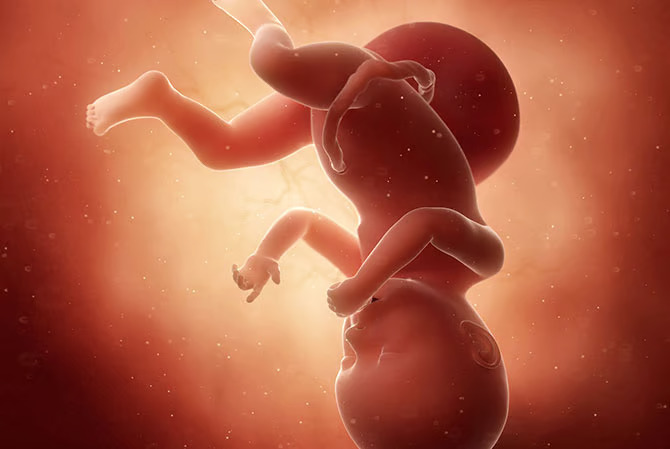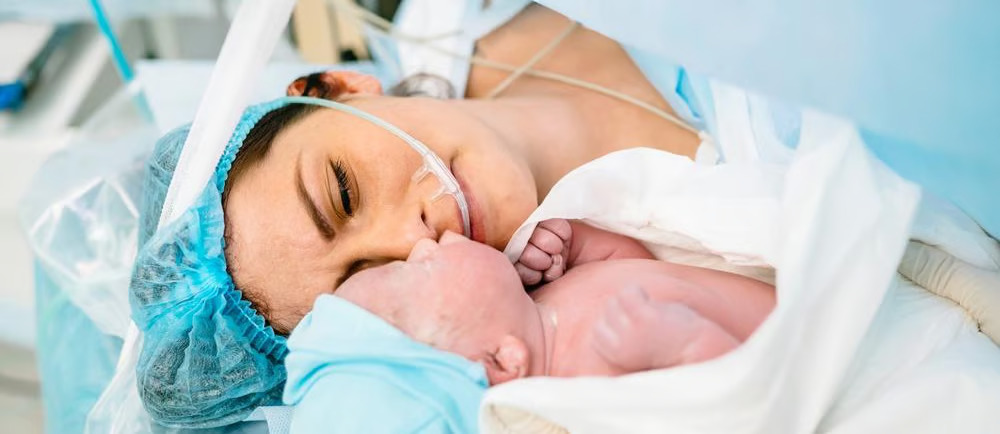
A cesarean section, or C-section, is a surgical procedure used to deliver a baby through incisions in the abdomen and uterus. It is a common alternative to vaginal delivery, particularly in cases where vaginal birth is not possible or safe. This article will detail the reasons for opting for a cesarean section, the medical procedures and preparations involved, the health benefits and risks, as well as the psychological and social impacts this experience may have on the mother.
Reasons for Cesarean Section
There are several reasons why doctors may choose a cesarean section over vaginal delivery, including:
- Pregnancy complications such as high blood pressure (preeclampsia), gestational diabetes, and heart disease.
- Abnormal fetal position, such as breech or transverse presentation, or cases of fetal hypoxia or distress requiring immediate intervention.
- Narrow pelvis or structural abnormalities that make vaginal delivery difficult.
- Previous cesarean section or uterine surgery.
- Increased risk of complications in vaginal delivery with multiple pregnancies (twins or more).
Types of Cesarean Sections
Cesarean sections are classified into two main types based on the location of the surgical incision:
- Horizontal (Bikini) Incision: The most common (95%), made in the lower segment of the uterus to reduce bleeding and risk of rupture in future deliveries.
- Vertical (Classical) Incision: Rare, used in preterm or emergency deliveries, may be more painful and require longer recovery time.
Procedures and Preparations for Cesarean Section
A cesarean section requires special preparations including assessment of the mother's and baby's health condition. Blood tests are performed to check hemoglobin levels and rule out infections. The mother is instructed to fast for at least eight hours before the procedure. During this preparatory period, the mother can begin manually expressing and storing colostrum, providing an early and nutritious source for the baby if breastfeeding is delayed after delivery.
The procedure is performed under general or spinal anesthesia, with spinal anesthesia preferred as it allows the mother to remain awake and see her baby immediately after birth. The surgeon makes an incision in the abdomen and uterus to deliver the baby, then closes the incision with sutures or surgical staples.
Health Benefits and Risks
Cesarean sections offer many benefits, particularly in cases where vaginal delivery would be risky. This procedure allows doctors to handle emergencies quickly and save the lives of mother or baby. As for risks, they include:
Risks to the Mother:
- Infection: May occur at the incision site or uterine lining, requiring antibiotic treatment.
- Severe bleeding: Occurs in some cases and may require blood transfusion or surgical intervention.
- Blood clots: May form in the legs or travel to the lungs, posing life-threatening risks.
- Allergic reactions: May result from anesthesia or medical materials used during surgery.
- Pelvic adhesions: Can cause chronic pain or affect internal organs.
Risks to the Baby:
- Respiratory problems: May occur especially if delivery occurs before 39 weeks of gestation.
- Surgical injuries: Such as accidental scratches or cuts, though typically minor.
- Anesthesia effects: May temporarily affect the baby after birth, especially with general anesthesia.
- Preterm birth: In some cases, delivery may occur before full fetal development, potentially causing health issues.
Future Pregnancy Risks After Cesarean Section:
- Increased likelihood of repeat cesarean delivery.
- Placental problems: Such as placenta accreta or placental abruption.
- Preterm birth or pregnancy loss risk.
- Potential uterine rupture during labor.
"However, proper medical follow-up helps reduce these risks, allowing many women to have safe pregnancy and delivery experiences after cesarean."
Psychological Impacts of Cesarean Section
A cesarean section may affect the mother's psychological state postpartum. Some mothers may feel disappointment or failure at not being able to deliver vaginally, while others may feel relief at their baby's safe delivery.
Mothers should receive necessary psychological support from partners, family, and friends. Counseling with a mental health professional or joining new mothers' support groups can be helpful in processing these feelings.
The cesarean experience can be psychologically stressful, especially if unplanned or emergency, making mothers more susceptible to postpartum anxiety and depression. Psychological support and professional counseling can play a significant role in mitigating these effects.
Social Impacts of Cesarean Section
Cesarean delivery may affect the mother's ability to perform daily activities and care for the newborn, as she requires a longer recovery period, often needing additional help from partners or family.
Mothers may also face societal judgments or criticism about choosing cesarean delivery, particularly in cultures that favor vaginal birth.
It's important for mothers to understand that cesarean section is often a medically necessary choice to ensure their safety and their baby's wellbeing.
Recovery After Cesarean Section
Recovery after cesarean section requires time and special care, so it's important to follow your doctor's instructions precisely for wound care and infection prevention. Light walking can improve circulation and speed recovery, while avoiding strenuous physical activity until your doctor approves. Avoid heavy lifting or vigorous activity for 6-8 weeks to allow proper healing, and be cautious with sudden movements. Enlist family support for childcare and household tasks during this period to ensure proper recovery.
Caring for the Cesarean Incision and Ensuring Healing
Regularly check your cesarean incision for signs of infection. Your healthcare team will provide wound care instructions before hospital discharge. To promote healing:
- Keep the incision clean: When showering, let water and soap flow gently over the incision without scrubbing, then pat dry with a clean towel.
- Use ointments or dressings: Your doctor may recommend antibiotic ointment or petroleum jelly with a light dressing, while others prefer leaving the wound uncovered. Consult your doctor about the best approach.
- Air exposure: Aiding healing, so wear loose clothing, especially when sleeping, while protecting the incision from sunlight.
- Attend follow-up appointments: If non-dissolvable stitches were used, ensure timely removal. Schedule a check-up within the first three weeks postpartum, with a comprehensive exam by 12 weeks.
- Light walking: Recovery doesn't mean complete bed rest - moderate movement improves blood flow and reduces deep vein thrombosis (DVT) risk. When ready, try light walks with your baby.
- Pain management: Take pain relievers as recommended, such as ibuprofen (Advil, Motrin IB) or acetaminophen (Tylenol), most of which are safe during breastfeeding.
"Contact your doctor if you notice severe redness, swelling, fluid leakage from the incision, or develop fever, and monitor any skin color changes around the wound."
Breastfeeding After Cesarean Section
Begin breastfeeding immediately after delivery to promote bonding and provide optimal nutrition, ideally within the first hour (the golden hour). After cesarean delivery, you may face challenges, but breastfeeding should be initiated as soon as possible, using comfortable positions to support your experience and your baby's feeding, facilitated by skin-to-skin contact in the operating room or afterward. Here are some suitable positions:
- Football Hold: Use a pillow to support your baby beside you with your elbow bent, supporting their head with your open hand and guiding them to the breast. This position reduces pressure on the incision site.
- Football hold positionSide-Lying Position: Lie on your side with your baby facing your breast. Use one hand to support them while guiding your breast with the other. Once latched, you can support your head with a pillow and relax.
- Side-lying breastfeeding positionIf you need help or have questions about breastfeeding, consult a lactation specialist after discussing with your doctor.
Recovery Tips After Cesarean Section
- Ensure adequate sleep and rest to manage fatigue.
- Follow your doctor's instructions for incision care and infection prevention.
- Maintain a balanced diet with essential vitamins and minerals.
- Consult your doctor before beginning light exercises to improve fitness and promote recovery.
- Maintain communication with your partner and family for necessary psychological and social support.
Cesarean section is a necessary surgical procedure in many cases to ensure the safety of mother and baby. Despite associated risks and challenges, they can be overcome through proper healthcare and psychological/social support.
Ultimately, mothers should feel assured they're making the best decision for their health and their baby's based on medical guidance.
Nifas Advice
After a cesarean delivery, it is essential to get adequate rest and avoid physical strain during the first few weeks. Allow yourself time for both physical and emotional recovery, and don’t hesitate to seek help from loved ones with newborn care and household tasks. Remember that full recovery takes time, and prioritizing your own well-being is crucial to providing optimal care for your baby. Continue regular follow-up with your doctor and adhere to post-operative wound care instructions. Avoid comparing your experience with others—each birth journey is unique.
Frequently Asked Questions
When can I start walking after a cesarean delivery?
Light walking is recommended 6–8 hours after surgery to improve blood circulation and reduce the risk of blood clots. Avoid exertion or long-distance walking in the early days.
How long is the recovery period after a cesarean delivery?
Most women require 4–6 weeks for basic recovery. Full return to normal activities may take 6 months to a year, depending on overall health and lifestyle.
When can I carry my baby after a cesarean delivery?
You can hold your baby immediately after the operation. However, avoid lifting anything heavier than your baby for 6–8 weeks to prevent pressure on the incision.
Can I have a vaginal birth after a cesarean (VBAC)?
Yes, vaginal birth after cesarean (VBAC) is possible in certain cases following medical evaluation to ensure no complications or contraindications.
How do I care for the cesarean incision site?
Keep the incision clean and dry. Avoid scrubbing or direct sun exposure. Follow your doctor's instructions for dressing changes and monitor for infection signs such as redness, swelling, or discharge.
When can I resume sexual activity after a cesarean delivery?
It is generally advised to wait at least 6 weeks or until your doctor confirms that the incision has healed completely during your postpartum checkup.
What are warning signs after a cesarean that require medical attention?
Symptoms such as a fever above 38°C, heavy bleeding, increased pain at the incision site, redness or swelling, foul-smelling discharge, chest pain, or breathing difficulty should prompt immediate medical consultation.
Does cesarean delivery affect breastfeeding?
Not directly. You may need to use comfortable breastfeeding positions to avoid pressure on the incision. Initiating breastfeeding as early as possible is recommended if your condition allows.